
What Is the FCB Coin? The Barcelona Instagram Hack and Fake Solana Token Explained
Nov 5, 2025 · 5 min read
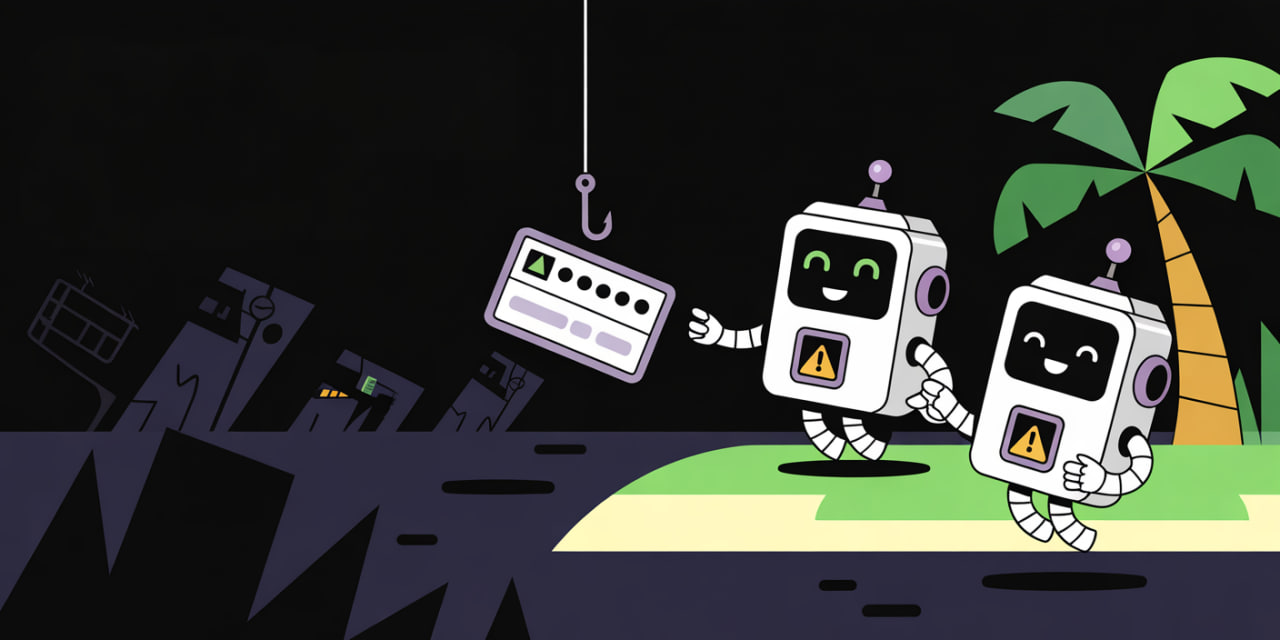
In a sophisticated Web3 exploit targeting sports fans, the official Instagram account of FC Barcelona was compromised to promote a fraudulent Solana-based token called $FCB. By leveraging artificial scarcity, deepfaked credibility, and high-traffic social media rails, cybercriminals managed to siphon hundreds of thousands of dollars from unsuspecting investors before the security breach was contained.
· · ·
High-profile social media security breaches have increasingly evolved from simple vandalism into highly coordinated cryptocurrency exit scams. A prime example of this dangerous trend occurred when the official Instagram account of world-renowned football club FC Barcelona (FCB) was hijacked to orchestrate a coordinated crypto rug pull.
Using the club's massive digital footprint, cybercriminals promoted a fraudulent Solana-based meme coin under the ticker $FCB, falsely claiming it was an official digital asset partnership. Here is a comprehensive teardown of how the hack unfolded, the mechanics of the fake Solana token, and the vital security lessons every Web3 investor must learn to survive social engineering exploits.
Anatomy of the Hack: How Barcelona’s Instagram Was Weaponized
With over 130 million followers, FC Barcelona's Instagram account represents one of the most powerful digital distribution channels in global sports. Attackers gained unauthorized access to the account and immediately published a series of highly professional stories and posts announcing the launch of the token.
To maximize conversion rates and lure in retail investors, the scammers deployed several psychological manipulation tactics:
- Fabricated Urgency: The posts claimed that the token presale was highly limited and would close within minutes, triggering intense Fear of Missing Out (FOMO).
- Exploiting Institutional Trust: By placing the announcement on the verified, official club page, the malicious actors bypassed the natural skepticism that investors typically hold toward newly minted meme coins.
- Direct Phishing Gateways: The posts featured direct links to a malicious Web3 landing page, prompting users to connect their Solana wallets (such as Phantom or Solflare) to participate in the fake launch.
The Solana Token Mechanics: Pump, Dump, and Rug Pull
The token itself was minted on the Solana blockchain, an ecosystem frequently chosen by scammers due to its ultra-low transaction fees, rapid settlement speeds, and the ease of deploying new tokens via automated launchpads like Pump.fun or Raydium.
Once the phishing links were broadcasted to millions of football fans, the scam progressed mechanically:
- Artificial Liquidity Injection: Unsuspecting retail investors rushed to buy the token, rapidly driving up the fake coin's on-chain trading volume, price chart, and market capitalization.
- The Drainage (Rug Pull): Within less than an hour of the initial breach, the creators of the exploit executed a massive market dump. They liquidated the massive allocation of developer-controlled tokens they had covertly minted for themselves, completely draining the decentralized exchange (DEX) liquidity pool.
- The Visual Devastation: The token's price collapsed by over 99% almost instantly, leaving late-stage buyers holding completely worthless digital assets, while the stolen Solana (SOL) was rapidly routed through mixing protocols to obscure the hackers' trail.
Security Teardown: How to Protect Your Wallet from Social Exploits
The FC Barcelona token exploit underscores a sobering reality in modern Web3: a verified blue checkmark on social media no longer equals financial safety. When major corporations, sports franchises, or celebrities fall victim to SIM-swapping or credential theft, their platforms become highly effective vectors for financial fraud.
To safeguard your capital from similar compromised-account scams, implement the following security protocols:
- Cross-Reference on Official Ecosystem Analytics: Before connecting a wallet to any newly launched token claiming a major corporate partnership, check reputable data aggregators like CoinMarketCap, CoinGecko, or DexScreener. If a token is legitimate, its corporate contract addresses will be verified and officially documented across multiple channels.
- Look for Multi-Channel Confirmation: True institutional partnerships are never announced exclusively on a single social media platform. Cross-verify the news against the company's official website, verified X (formerly Twitter) account, Discord server, and mainstream financial press releases.
- Utilize Dedicated Burner Wallets: Never connect a primary cold-storage wallet containing your main crypto treasury to unknown Web3 dApps or promotional landing pages. Always use a temporary \"burner\" wallet funded with only a minimal amount of capital to mitigate risk.
- Beware of Sudden Domain Extensions: Pay close attention to the URLs being promoted. Scammers frequently use typosquatting or strange top-level domains (e.g.,
.net-airdrop.xyzinstead of.com) to mimic legitimate corporate websites.
Conclusion
The fake FC Barcelona Solana token incident serves as an urgent reminder of the sophisticated social engineering tactics currently targeting the intersection of mainstream pop culture and digital finance. While blockchain networks like Solana offer unparalleled efficiency for legitimate decentralized applications, they also allow malicious actors to spawn and liquidate fraudulent assets in fractions of a second.
By treating every sudden social media token announcement with radical skepticism—even those originating from verified accounts with millions of followers—investors can insulate themselves from devastating security blind spots.
Disclaimer: This article is strictly for educational and informational purposes and does not constitute financial, investment, or legal advice. Cyberattacks, social media exploits, and fraudulent smart contracts carry extreme risk of complete capital loss. Always conduct rigorous independent due diligence before interacting with any digital asset protocol.
What Is the FCB Coin? The Barcelona Instagram Hack and Fake Solana Token Explained
Nov 5, 2025 · 5 min read
In a sophisticated Web3 exploit targeting sports fans, the official Instagram account of FC Barcelona was compromised to promote a fraudulent Solana-based token called $FCB. By leveraging artificial scarcity, deepfaked credibility, and high-traffic social media rails, cybercriminals managed to siphon hundreds of thousands of dollars from unsuspecting investors before the security breach was contained.
· · ·
High-profile social media security breaches have increasingly evolved from simple vandalism into highly coordinated cryptocurrency exit scams. A prime example of this dangerous trend occurred when the official Instagram account of world-renowned football club FC Barcelona (FCB) was hijacked to orchestrate a coordinated crypto rug pull.
Using the club's massive digital footprint, cybercriminals promoted a fraudulent Solana-based meme coin under the ticker $FCB, falsely claiming it was an official digital asset partnership. Here is a comprehensive teardown of how the hack unfolded, the mechanics of the fake Solana token, and the vital security lessons every Web3 investor must learn to survive social engineering exploits.
Anatomy of the Hack: How Barcelona’s Instagram Was Weaponized
With over 130 million followers, FC Barcelona's Instagram account represents one of the most powerful digital distribution channels in global sports. Attackers gained unauthorized access to the account and immediately published a series of highly professional stories and posts announcing the launch of the token.
To maximize conversion rates and lure in retail investors, the scammers deployed several psychological manipulation tactics:
- Fabricated Urgency: The posts claimed that the token presale was highly limited and would close within minutes, triggering intense Fear of Missing Out (FOMO).
- Exploiting Institutional Trust: By placing the announcement on the verified, official club page, the malicious actors bypassed the natural skepticism that investors typically hold toward newly minted meme coins.
- Direct Phishing Gateways: The posts featured direct links to a malicious Web3 landing page, prompting users to connect their Solana wallets (such as Phantom or Solflare) to participate in the fake launch.
The Solana Token Mechanics: Pump, Dump, and Rug Pull
The token itself was minted on the Solana blockchain, an ecosystem frequently chosen by scammers due to its ultra-low transaction fees, rapid settlement speeds, and the ease of deploying new tokens via automated launchpads like Pump.fun or Raydium.
Once the phishing links were broadcasted to millions of football fans, the scam progressed mechanically:
- Artificial Liquidity Injection: Unsuspecting retail investors rushed to buy the token, rapidly driving up the fake coin's on-chain trading volume, price chart, and market capitalization.
- The Drainage (Rug Pull): Within less than an hour of the initial breach, the creators of the exploit executed a massive market dump. They liquidated the massive allocation of developer-controlled tokens they had covertly minted for themselves, completely draining the decentralized exchange (DEX) liquidity pool.
- The Visual Devastation: The token's price collapsed by over 99% almost instantly, leaving late-stage buyers holding completely worthless digital assets, while the stolen Solana (SOL) was rapidly routed through mixing protocols to obscure the hackers' trail.
Security Teardown: How to Protect Your Wallet from Social Exploits
The FC Barcelona token exploit underscores a sobering reality in modern Web3: a verified blue checkmark on social media no longer equals financial safety. When major corporations, sports franchises, or celebrities fall victim to SIM-swapping or credential theft, their platforms become highly effective vectors for financial fraud.
To safeguard your capital from similar compromised-account scams, implement the following security protocols:
- Cross-Reference on Official Ecosystem Analytics: Before connecting a wallet to any newly launched token claiming a major corporate partnership, check reputable data aggregators like CoinMarketCap, CoinGecko, or DexScreener. If a token is legitimate, its corporate contract addresses will be verified and officially documented across multiple channels.
- Look for Multi-Channel Confirmation: True institutional partnerships are never announced exclusively on a single social media platform. Cross-verify the news against the company's official website, verified X (formerly Twitter) account, Discord server, and mainstream financial press releases.
- Utilize Dedicated Burner Wallets: Never connect a primary cold-storage wallet containing your main crypto treasury to unknown Web3 dApps or promotional landing pages. Always use a temporary \"burner\" wallet funded with only a minimal amount of capital to mitigate risk.
- Beware of Sudden Domain Extensions: Pay close attention to the URLs being promoted. Scammers frequently use typosquatting or strange top-level domains (e.g.,
.net-airdrop.xyzinstead of.com) to mimic legitimate corporate websites.
Conclusion
The fake FC Barcelona Solana token incident serves as an urgent reminder of the sophisticated social engineering tactics currently targeting the intersection of mainstream pop culture and digital finance. While blockchain networks like Solana offer unparalleled efficiency for legitimate decentralized applications, they also allow malicious actors to spawn and liquidate fraudulent assets in fractions of a second.
By treating every sudden social media token announcement with radical skepticism—even those originating from verified accounts with millions of followers—investors can insulate themselves from devastating security blind spots.
Disclaimer: This article is strictly for educational and informational purposes and does not constitute financial, investment, or legal advice. Cyberattacks, social media exploits, and fraudulent smart contracts carry extreme risk of complete capital loss. Always conduct rigorous independent due diligence before interacting with any digital asset protocol.